
Callback timing must be planned as one sequence. A valid eligibility threshold does not help if the queue times out before the callback prompt can be played.
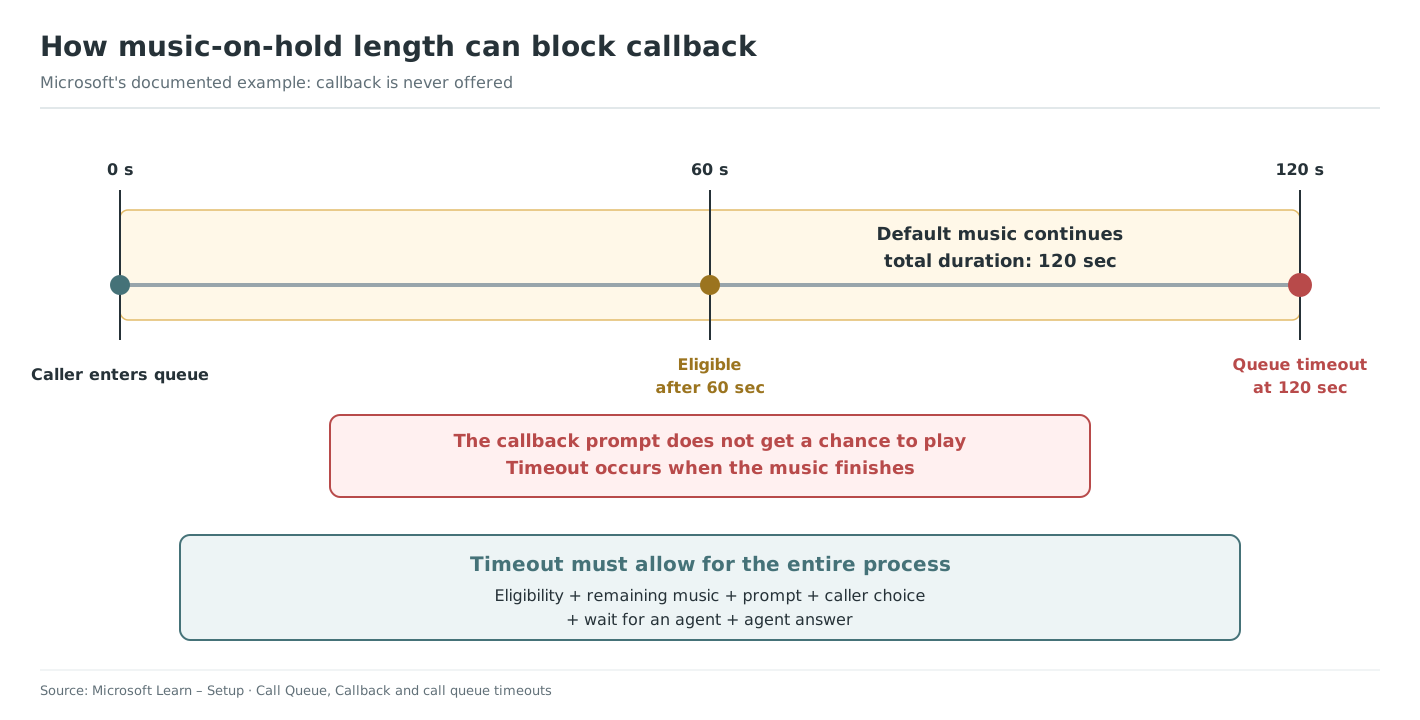
Allow enough time for the complete sequence
- The caller meets at least one callback condition.
- The current music-on-hold file finishes.
- The callback prompt plays and the caller makes a choice.
- The callback request waits for an agent, and the agent answers.
The queue timeout must be longer than this combined sequence. Microsoft gives a clear failure example: with callback eligibility after 60 seconds, a 120-second queue timeout and the default two-minute music-on-hold file, the prompt is never offered.
Planning checklist
- Measure the complete duration of the music-on-hold file; the prompt waits until it ends.
- Choose thresholds that match real queue capacity and expected wait.
- Leave time after the prompt for an agent to become available and answer.
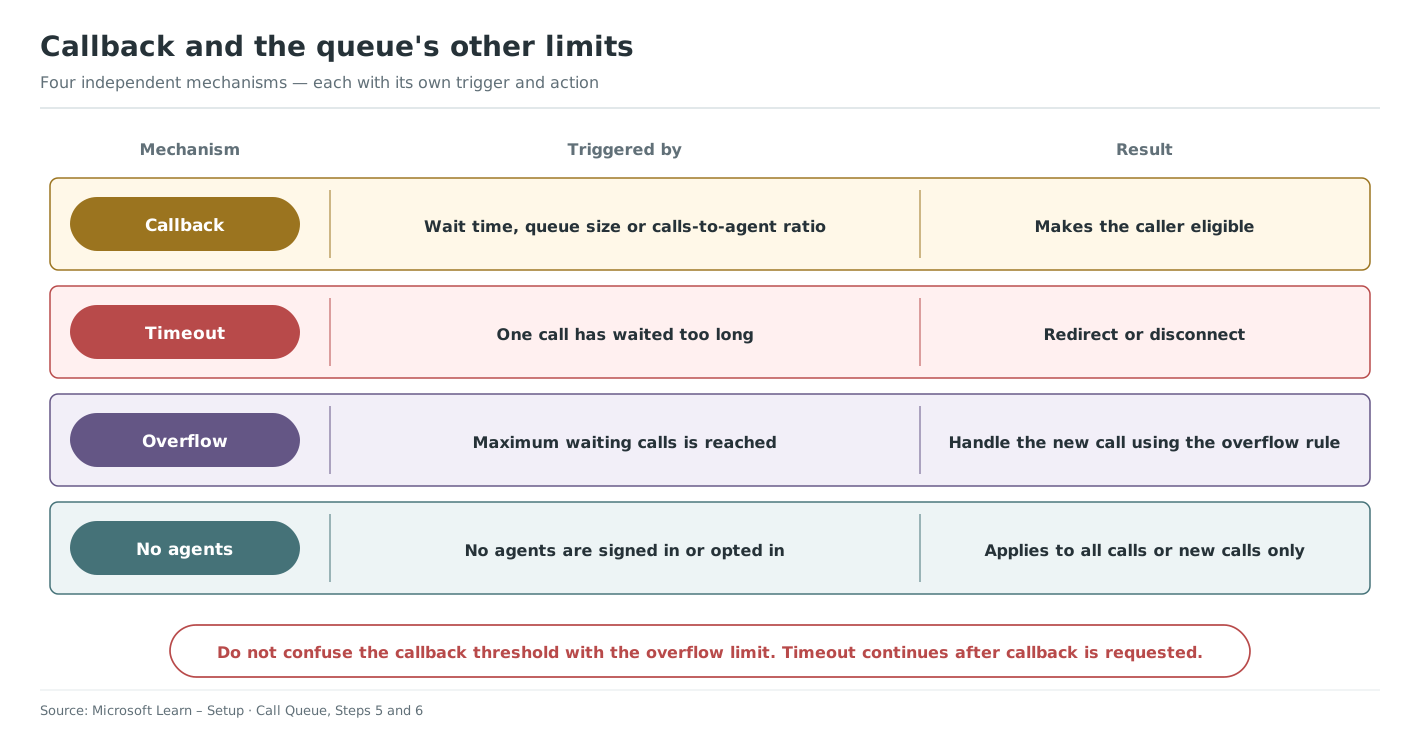
- Check overflow and no-agent rules so they do not remove the request earlier.
- Test with a public E.164 number and record the actual timestamps.
Read Microsoft's guidance about callback and call queue timeouts, music on hold and exception handling.
Part 2 of 3 in Callback in Microsoft Teams
Previous topic: Understand callback and when it is offered
Continue with: Troubleshoot callback in a call queue
Also relevant: Configure callback in VoiceQ365 Call Flow Designer