
The components are often shown separately
Phone numbers, auto attendants, call queues and agents are managed as separate objects.
The relationships across the call flow become harder to understand and maintain.
Products for the daily operation of Microsoft Teams Phone.
Answer calls, find colleagues and choose a direct or consultative transfer.
Wito AttendantAttendant and reception workflowsStart with the task that needs to be handled.
VoiceQ365 · Call Flow Designer
For Teams administrators, service desk teams, Teams Phone owners and partners.
The challenge
Phone numbers, auto attendants, opening hours, voice prompts, call queues and agents all affect one another. When they are managed separately, it becomes harder to maintain the overview and assess the impact of a change.
Phone numbers, auto attendants, call queues and agents are managed as separate objects.
The relationships across the call flow become harder to understand and maintain.
Opening hours, menus, transfers and queue settings affect the call’s onward path.
You need to understand the impact before making the change.
A user may need to manage a call queue or auto attendant without being responsible for the rest of the Microsoft tenant.
Access should match the task.
Call Flow Designer in practice
Use the visual views to understand call-flow dependencies, configure queues and delegate administration.
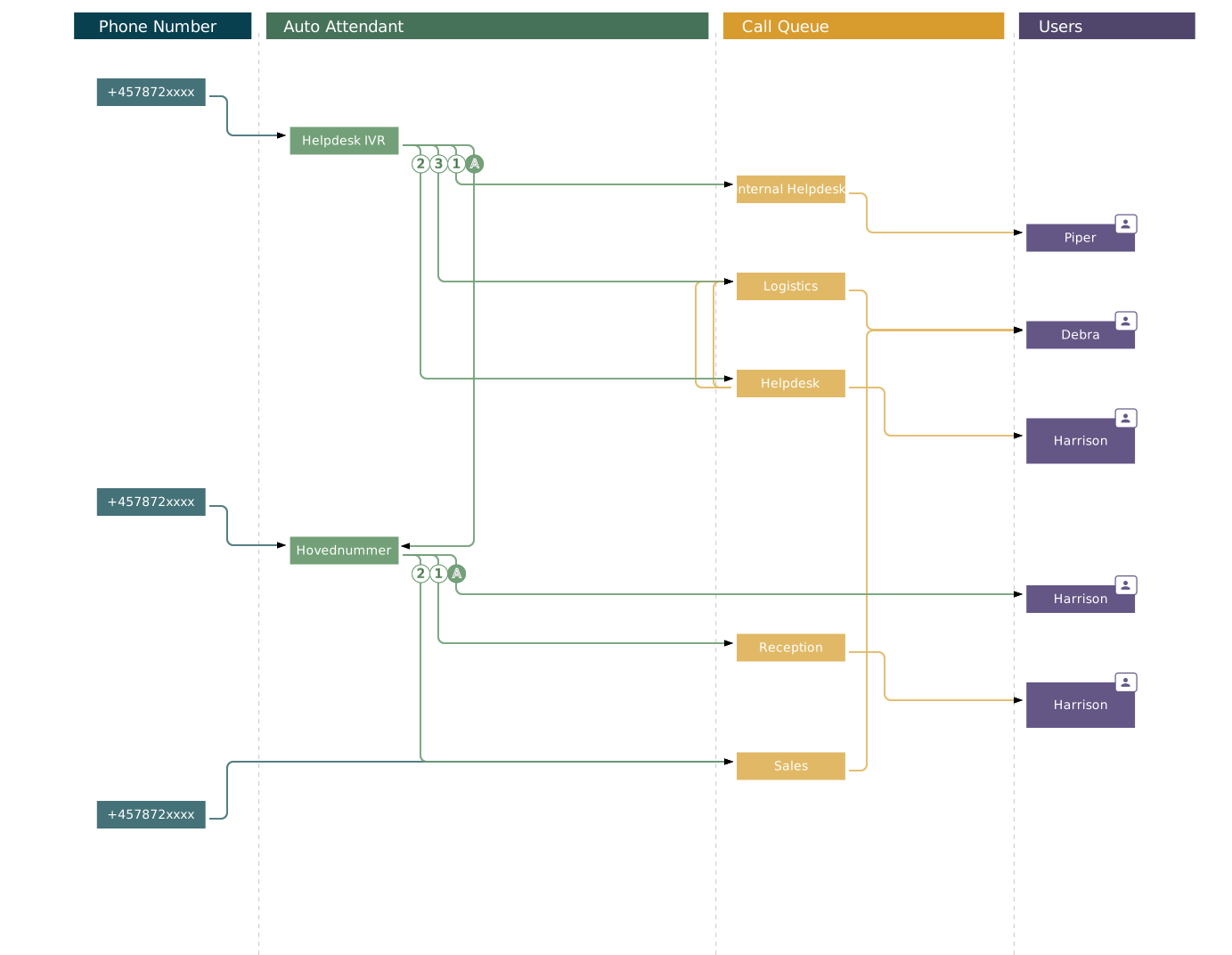
Focus on one part of the flow while retaining the context of related objects.
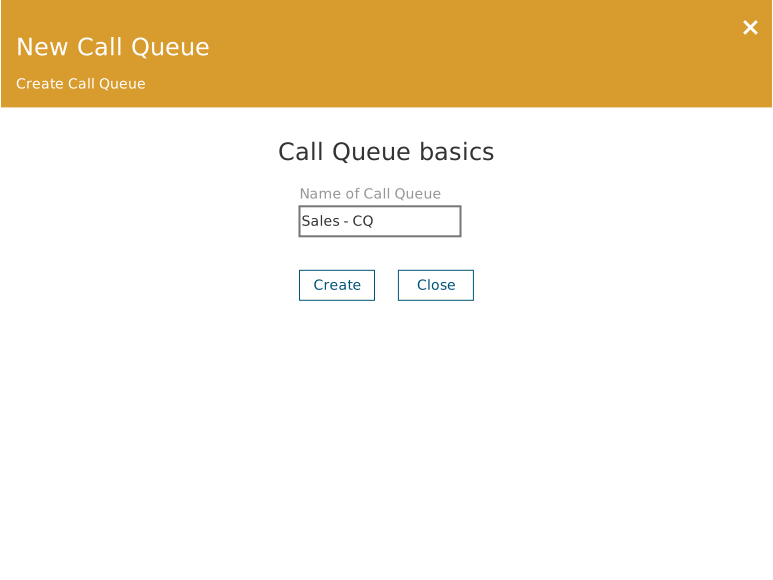
Create a call queue and configure its basic settings in the same workflow.
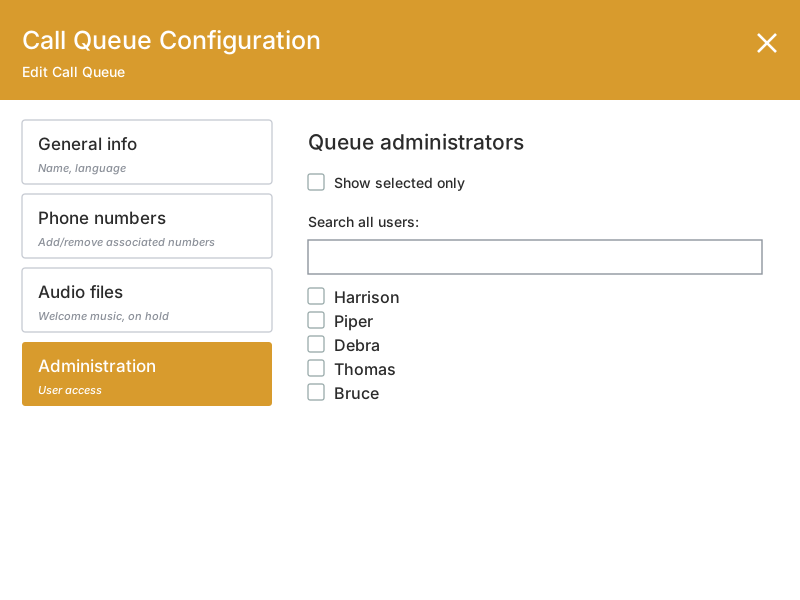
Define who may manage the call queue while retaining a view of its related objects and call flows.
From overview to change
The visual structure shows how Teams Phone objects are connected and lets authorised users manage them within the same workflow.
Trace the path from phone number through auto attendant and call queue to the agents who receive the call.
Manage basic settings, associated phone numbers, opening hours and queue configuration from the visual structure.
Use Coherence to define who may view or manage the relevant Teams Phone objects.
Access, roles and audit trail are managed through Coherence.
Microsoft Teams Phone and Coherence
Questions about Call Flow Designer
The module is used to view and manage Microsoft Teams Phone objects such as auto attendants, call queues, associated phone numbers, opening hours, resource accounts and agents.
It shows the relationships from phone number and auto attendant to call queue and agent, helping the administrator understand the complete call flow before making a change.
No. Call Flow Designer is accessed through Coherence, where access can be limited to the relevant Teams Phone tasks without direct access to Microsoft Teams admin center.
Yes. Through Coherence, roles and access can be defined according to the organisation, tenant and Teams Phone objects each administrator needs to manage.
Changes are recorded in the Coherence audit trail, making it possible to see who made each change.
No. Microsoft Teams Phone handles the calls. Call Flow Designer extends the administration of auto attendants and call queues with a visual workflow.
Coherence runs in Microsoft Azure. The geographic location depends on the specific delivery. If your organisation has specific data residency requirements, we clarify them as part of the delivery.
Next step
We show how auto attendants, call queues, opening hours and agents can be viewed and managed together.